Table Of Content

Your engineers aren’t to blame necessary, it’s just that he or she is instructed in school specifically to rely on this inferior method. Students study the mechanical, chemical, and physical properties of metals and the behavior of metals under different temperature gradients. Get ready to become skilled in the process of part design and manufacturing using CAD & CAM software for CNC machining, laser cutting, and 3D printing. Diverse industry professionals from all backgrounds and experience levels gather at Welding Summit to exchange ideas and knowledge, discuss welding trends, and more. Quickly access the AWS Standard Welding Procedure you need for use in pressure vessels and heat exchangers designed through Shopfloor or Compress.
OF METAL FABRICATION
By combining the art and technique of welding with the skill of fabrication, complex and durable metal structures can be crafted. Choosing the right materials is essential to achieve the desired mechanical properties and performance of the weld. The weldability characteristics of different materials vary, so it is important to select materials that are compatible with the intended welding process. Exotic alloys, such as titanium, nickel alloys, and superalloys, are often used in industries that require exceptional strength, heat resistance, and corrosion resistance. Welding these alloys can be challenging due to their unique properties, such as high melting points and low ductility. Specialized welding techniques, such as electron beam welding or laser beam welding, may be required to achieve successful welds in these materials.
Kemppi receives Red Dot Product Design Award for welding equipment - TheFabricator.com
Kemppi receives Red Dot Product Design Award for welding equipment.
Posted: Mon, 30 Mar 2020 07:00:00 GMT [source]
What Is Welding Machine Used For in Manufacturing?
Bridging Nigeria’s welding skills gap - Daily Trust
Bridging Nigeria’s welding skills gap.
Posted: Mon, 12 Feb 2024 08:00:00 GMT [source]
Successful welds rely on precise control of welding parameters and techniques. In this section, we will discuss crucial factors such as heat input, travel speed, electrode selection, and shielding gas. By mastering these parameters and techniques, you can achieve consistent and high-quality welds. Edge preparation is the process of shaping and preparing the joint edges before welding.
Basics of Welding Design & stresses in weld joints
Proper joint preparation involves cleaning the base metal, removing any contaminants, and ensuring precise fit-up. Additionally, the design of the joint itself plays a critical role in its strength. Factors such as the joint configuration, groove angle, and root opening must be carefully considered to optimize weld strength and integrity. In addition to welding process and design geometry, the welding environment and parameters are crucial considerations. Factors such as temperature, humidity, and accessibility to the joint can significantly impact the quality of the weld.

Shielding Gas
AWS also offers comprehensive, expert-developed training resources — online courses, instructor-led seminars, and more — that can enhance your career and your lifetime earning potential. Students, experienced welders, other industry professionals — we offer something for everyone. Grind down the sharp edges of the table and any ugly beads you want to smooth out.
Discover the Stunning World of Designer Charm Bracelets
Lap joints, which are commonly used, call for fillet welds to ensure proper strength and durability. Lastly, the design of corner joints can be either fillet or groove welds, depending on the specific requirements of the project. Ultimately, the type of welding design chosen is determined by the joint design and the desired quality standard. Weld design plays a crucial role in any welding project, involving the design, fabrication, and assembly of welded components.
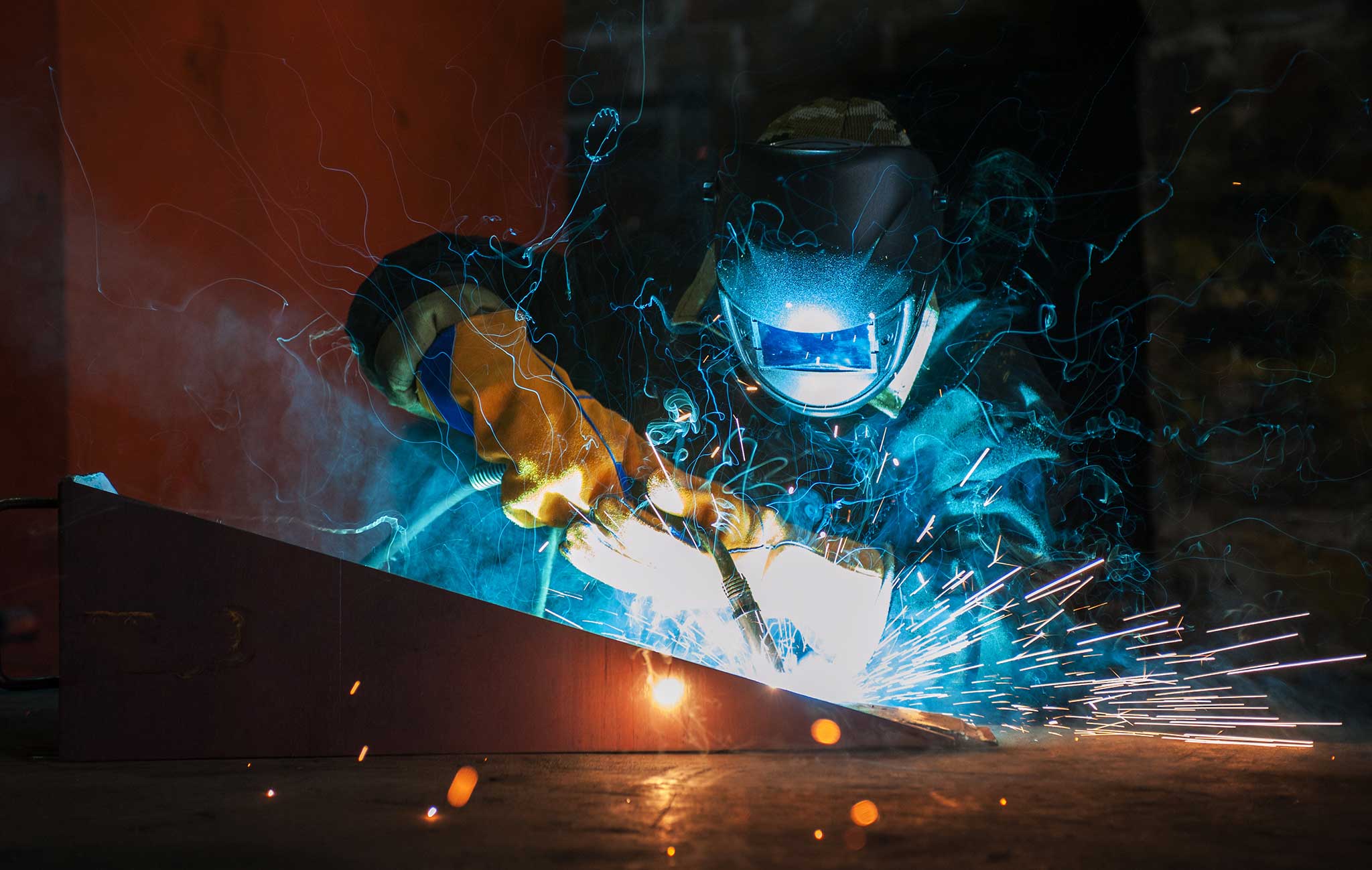
It requires various considerations, such as the selection of appropriate materials, joint configurations, welding processes, and inspection procedures. The primary objective of weld design is to ensure the creation of durable and structurally sound welded assemblies that meet the specific application requirements. In conclusion, weld design involves a comprehensive examination of numerous elements to ensure the successful fabrication and assembly of welded components. It requires careful consideration of factors such as materials selection, joint configurations, welding parameters, and adherence to customer specifications and industry standards. With proper attention to these key elements, weld design can deliver safe, reliable, and structurally sound welded assemblies that meet the intended application requirements.
Fatigue resistance
Maintaining quality assurance is vital in weld design to guarantee that the fabricated components and welded assemblies meet industry standards and customer specifications. Inspection is a crucial aspect of quality assurance in weld design, involving the use of various non-destructive testing methods to detect internal and surface defects. These tests include visual inspection, ultrasonic testing, radiographic examination, and magnetic particle inspection, among others. There are several basic welding symbols that are commonly used in weld design. These symbols include the fillet weld symbol, the groove weld symbol, the plug weld symbol, and the spot weld symbol.
As a concept, weld joint design relates to creating a sound plan for welders to follow during manufacturing. Weld design describes the methods and materials allocated to a welder to join pieces of metal. Accurate weld design provides a welder with a precise guide to what type of weld they need to create. The weld design will provide details on the materials to be used, how they are to be welded together, and how they relate to other parts of an assembly. Weld joint design focuses on the geometry, dimensions, and properties of objects that are to be welded.
Achieving the optimal travel speed requires finding the right balance between heat input and cooling rate to ensure proper fusion and minimize distortion. Gas Tungsten Arc Welding, also known as TIG welding, is a precise and versatile welding technique commonly used for high-quality welds. GTAW utilizes a non-consumable tungsten electrode and a shielding gas to protect the weld zone. Unlike GMAW, GTAW requires the use of a separate filler metal, which is manually added to the weld pool. Gas Metal Arc Welding, also known as MIG welding, is a popular welding technique used for its versatility and ease of use. GMAW utilizes a continuous wire electrode that is fed through a welding gun, along with a shielding gas to protect the weld zone from atmospheric contamination.
This Design of Weldments Class will be the tool you need to design a weldment fast and with low risk of failure. These fundamentals are powerful and easy to remember so that you will be able to identify a good joint from a bad one instantly. We even have a session where common joints from everyday structures are analyzed. I thought the videos were perfect length for conveying information and introducing the concepts for further exploration. The strategies for controlling weld distortion were my favorite, possibly because at work we recently experienced issues this.